From the journal · November 12, 2026
Body Polishing at Home: Smooth, Glowing Skin Guide (2026)
There’s a wedding in three weeks. Your arms look dull, your elbows are rough, and the salon quotes ₹3000 for a body polish. Your wallet quietly leaves the room.
Good news: body polishing at home is simple, and it works best when you keep it gentle. It won’t change your natural skin colour, and anyone promising that is selling something. What it can do is clear dead skin, soften rough patches and make your skin look fresher and more even. Here’s how I’d do it in 2026, safely and on a budget.
Related reading: Manicure Pedicure at Home: Easy Step-by-Step Guide (2026) · Dark Lips Ko Pink Kaise Karein: Safe Home Tips That Work (2026)
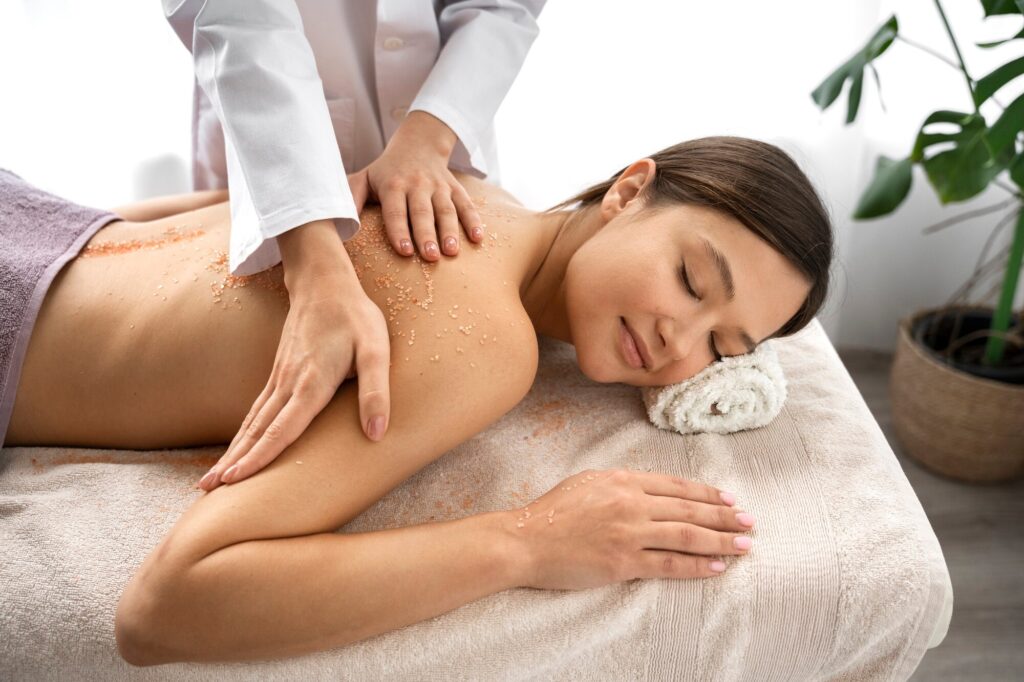
[Image alt text: Woman applying a gentle body scrub on her arm, a step in body polishing at home]
What Body Polishing Actually Does
A salon body polish is basically exfoliation, a mask or massage and moisturising. The goal is to remove dead cells and leave skin smooth and hydrated.
It can improve dullness, rough texture and the look of tan. It cannot permanently lighten your skin tone or erase pigmentation in one session.
I’ve noticed that people expect a “fairness” result after one scrub, then feel let down. Smooth and glowing is a realistic goal. Lighter is not.
What You Need
Keep the kit short. You’ll need a gentle body scrub, a mild body wash, a soft loofah or washcloth, a good body lotion or oil, and a clean towel.
A store-bought scrub costs roughly ₹250-600, or you can make one at home for under ₹50. Prices vary, so check current listings.
Patch test any new scrub on your inner arm first. If your skin turns red or itchy, skip it.
Body Polishing at Home: The Step-by-Step Routine
How do I do body polishing at home? Wet your skin with lukewarm water, apply a gentle scrub in slow circles, rinse, apply a hydrating mask or yoghurt-based pack if you like, wash off, then moisturise while skin is still damp. Do it once a week.
The order:
- Take a warm (not hot) shower for a few minutes to soften skin
- Apply scrub in gentle circles, focusing on elbows, knees and heels
- Rinse thoroughly
- Optional: apply a pack for 10-15 minutes and rinse
- Pat dry and apply body lotion or oil within three minutes
Keep pressure light. Scrubbing hard doesn’t polish better, it just irritates.
Simple DIY Scrub Recipes
What is a good homemade body scrub? Mix fine sugar or oats with a little coconut oil, honey or curd. These exfoliate gently and moisturise, and they cost very little. Avoid coarse salt or crushed nuts on the body, and never use lemon on skin that will be in sun.
Three easy mixes:
- Sugar and oil: two spoons of fine sugar with one spoon of coconut or almond oil
- Oats and curd: ground oats with plain curd, soothing for sensitive skin
- Coffee and honey: a spoon of used or fresh coffee grounds with honey and a little oil
Picture a college student in Jaipur prepping for a cousin’s sangeet. She uses oats and curd on her arms and legs, then moisturises well. By evening, her skin looks smoother and less dull.
Use the scrub fresh, and don’t store it for days.
[Image alt text: Bowls of sugar, oats and curd for a homemade body scrub]
Packs That Help With Tan and Dullness
For a tan pack, mix besan with curd and a pinch of turmeric. Apply it for 10-15 minutes, then rinse gently. Some people add a little aloe vera for softness.
These packs may lift surface dullness, but they won’t dramatically lighten skin. Turmeric can also leave a yellow tint, so rinse well.
Honestly, I think regular sunscreen on exposed skin does more for tan than any pack. Prevention beats correction.
[Internal link: how to choose sunscreen SPF PA]
Care for Rough Areas
Elbows, knees and heels need extra attention. Use a pumice stone or soft foot file on damp skin, then apply a thick cream or petroleum jelly.
For dark knees and elbows, gentle exfoliation twice a week and daily moisturiser help. Friction and dryness are the usual causes, so avoid leaning hard on elbows and wear comfortable footwear.
[Internal link: manicure pedicure at home]
[Image alt text: Moisturising cream being applied on elbows after exfoliation]
Aftercare: Moisturise and Protect
Right after polishing, your skin is freshly exfoliated, so it loses water quickly. Apply a body lotion with glycerin, shea butter or ceramides while still damp.
If you’re heading outdoors, apply sunscreen to exposed areas. Freshly exfoliated skin burns and tans more easily.
Drink enough water and avoid very hot showers. They dry skin out and undo the work.
[Internal link: winter skincare routine for dry skin]
How Often and Who Should Skip It
Once a week is plenty for most people. Dry or sensitive skin may do better every ten days to two weeks.
Skip exfoliation on sunburnt skin, cuts, rashes, active acne patches or eczema flare-ups. If you have a skin condition, ask a dermatologist before trying scrubs or packs.
Body acne, ingrown hairs or bumps on the upper arms (keratosis pilaris) may need gentle chemical exfoliants instead of scrubs. A dermatologist can guide you.
Mistakes to Avoid
Scrubbing hard. Using hot water. Exfoliating daily. Skipping moisturiser. Using coarse salt or lemon. Sharing loofahs.
Wash your loofah regularly and replace it every few weeks. Damp sponges grow bacteria.
FAQs About Body Polishing at Home
Does body polishing lighten skin?
It removes dead cells and dullness, but it doesn’t change your natural skin colour.
How often should I do it?
Once a week for most skin types.
Can I do it on my face?
No. Facial skin is thinner, so use a gentle facial exfoliant instead.
What is the best time to do it?
During or after a warm shower, followed by moisturiser.
Is salon body polishing better than home polishing?
Salons offer a treat and professional massage, but a gentle home routine gives similar basic benefits.
Conclusion
Good body polishing at home means gentle scrubbing once a week, a simple pack if you like, thorough moisturising and sunscreen on exposed skin. Skip harsh ingredients, don’t expect colour change and focus on smooth, healthy-looking skin.
This weekend, try an oats-and-curd scrub after a warm shower and follow with lotion. Notice how your skin feels the next day. And if you’ve got a body-care trick that works for you, share it in the comments. Other readers would love to try it.